Safety & maintenance
Why hose condition matters
Age, cracking, chafe, unsuitable hose materials, and improper connections can all deserve closer attention during an inspection.
Read more ↓Practical information for safer, better-informed vessel ownership.
Practical introductions to topics that frequently come up during vessel inspections. These educational notes are not a substitute for an onboard survey or applicable manufacturer and safety requirements.
Age, cracking, chafe, unsuitable hose materials, and improper connections can all deserve closer attention during an inspection.
Read more ↓Commonly called “zincs,” sacrificial anodes help protect certain underwater metal components from galvanic corrosion.
Read more ↓A sea trial provides an opportunity to observe how vessel systems perform while operating under actual conditions.
Read more ↓Learn why extinguisher selection, accessibility, inspection and onboard fire protection deserve regular attention.
Read more ↓Understand the importance of appropriate visual distress signals, expiration dates and accessible storage.
Read more ↓Learn about the anchor rode’s bitter end and why a safe, accessible emergency release arrangement matters.
Read more ↓Explore hose condition, suitable materials, secure connections and why installation details matter.
Read more ↓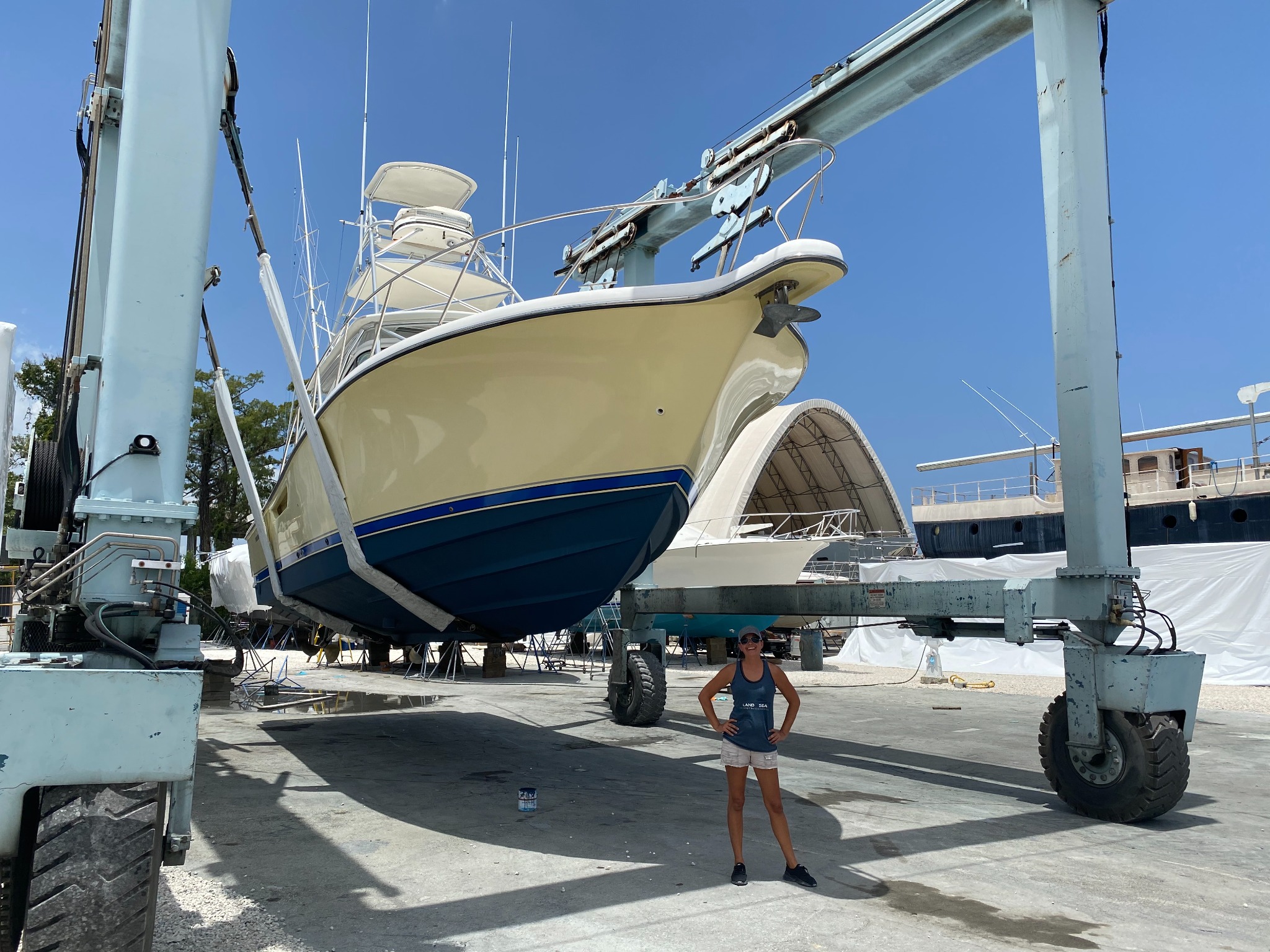
A haul-out allows inspection of areas below the waterline that are not readily visible while the vessel is afloat.
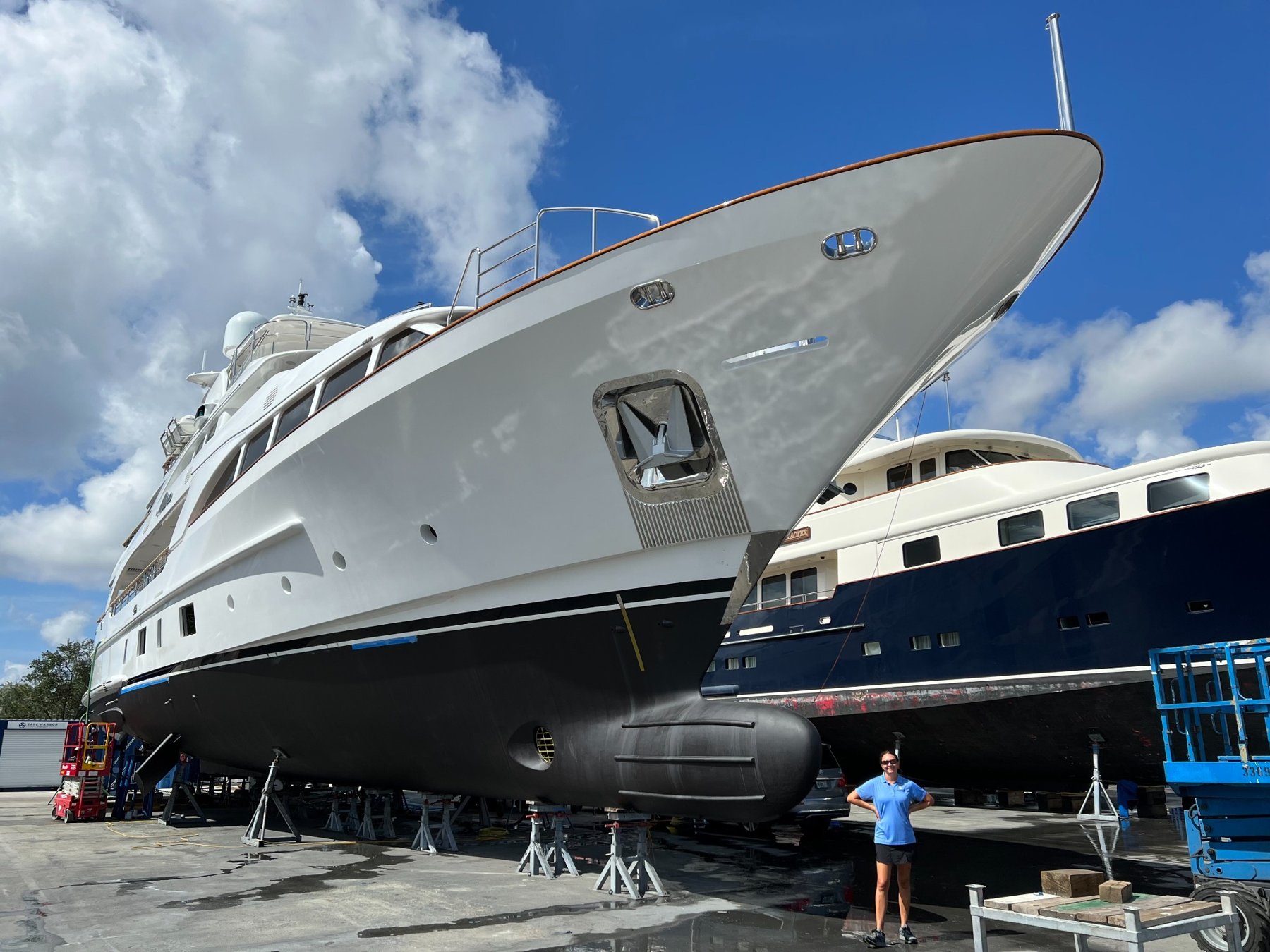
Visible hull condition and running gear are important parts of an out-of-water inspection.
Hoses and their connections deserve attention because failures can contribute to leaks, loss of cooling, or other hazards. Inspectors may look for chafe, deterioration, leaks, unsupported runs, and clamps or fittings that appear unsuitable for the application.
Fuel, potable-water, sanitation, and raw-water hoses serve different purposes and should not be treated as interchangeable. Appropriate materials and installation depend on the system and applicable standards.
Sacrificial anodes are made from metals such as zinc, aluminum alloys, or magnesium, depending on the application and water conditions. They are intended to corrode preferentially to help protect connected underwater metal components.
Selection and replacement depend on the vessel, the water environment, and the manufacturer's guidance.
A sea trial can allow a surveyor to observe vessel operation, instrumentation, steering response, vibration, and other accessible functions under way. It complements—not replaces—a dockside inspection or out-of-water examination.
The scope of a sea trial depends on conditions, access, the vessel, and the engagement.
Connect with Iridium Marine Group to discuss your vessel and survey requirements.
Visit Iridium Marine GroupSouth Florida · Miami · Fort Lauderdale · West Palm Beach · Jupiter · Stuart · Naples · Fort Myers · Tampa · Florida Keys · Key West · U.S. East Coast · Bahamas · Caribbean · Mexico · Europe · Worldwide
Based in South Florida. Available for marine surveying assignments worldwide.