
Professional marine surveying is about understanding the vessel as a whole—from structural condition and machinery to the systems people rely on every day. Here is what owners, buyers, and marine professionals should know.
More than a walk-through
A pre-purchase yacht survey is an organized assessment of the vessel’s accessible condition and installed systems at the time of inspection. The scope depends on vessel type, access, arrangements, and the survey agreement. A surveyor observes, operates, and documents accessible equipment where it is safe and practical to do so. A survey is not a dismantling exercise or a warranty against hidden defects.
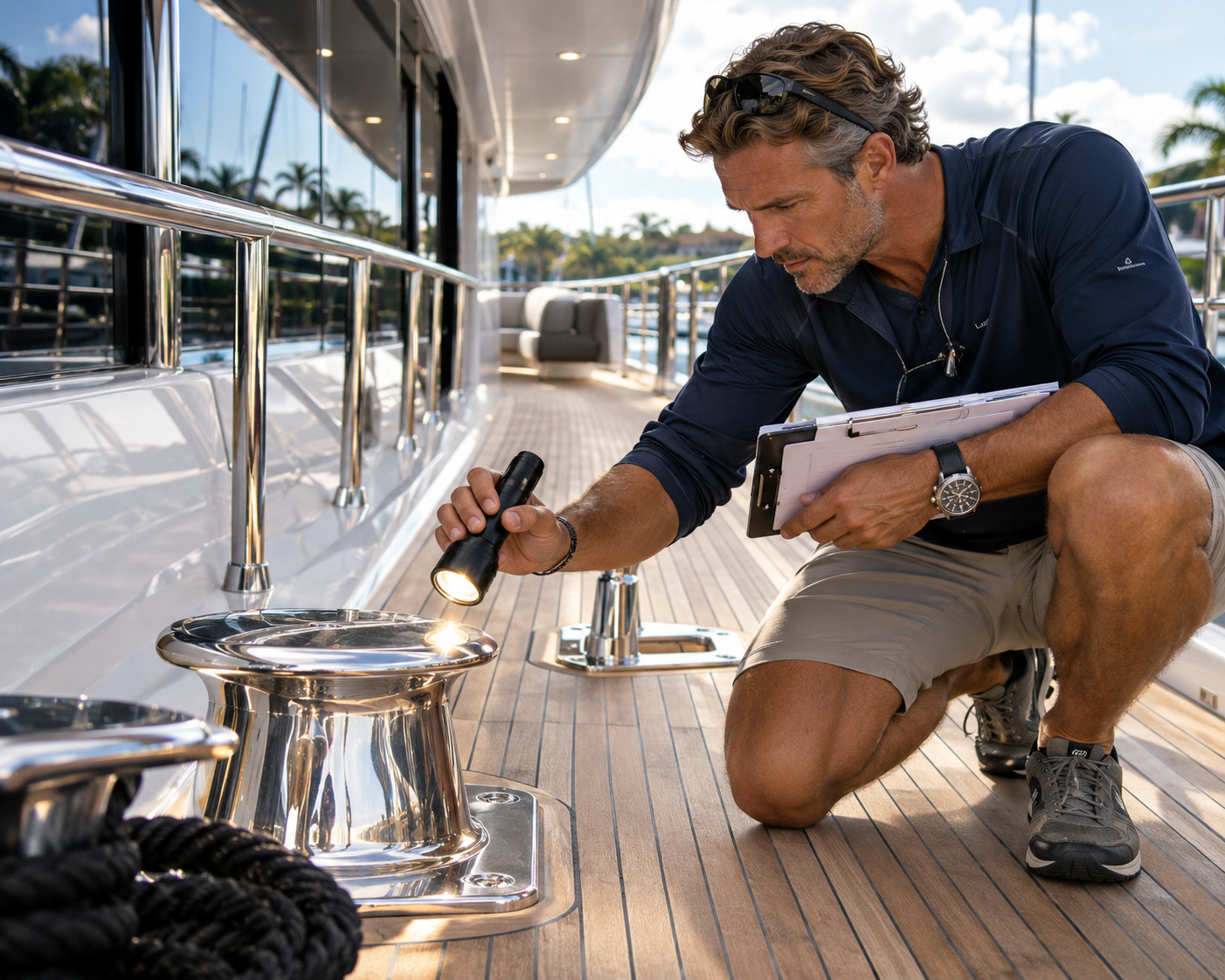
Exterior, structure, and access
The inspection may include decks, railings, hatches, windows, doors, seals, lockers, visible hull structure, and evidence of past repairs or water intrusion. Cracks, movement, staining, and soft or suspect areas are considered in context. Accessible compartments are opened where permitted, but concealed spaces may remain outside the inspection scope.
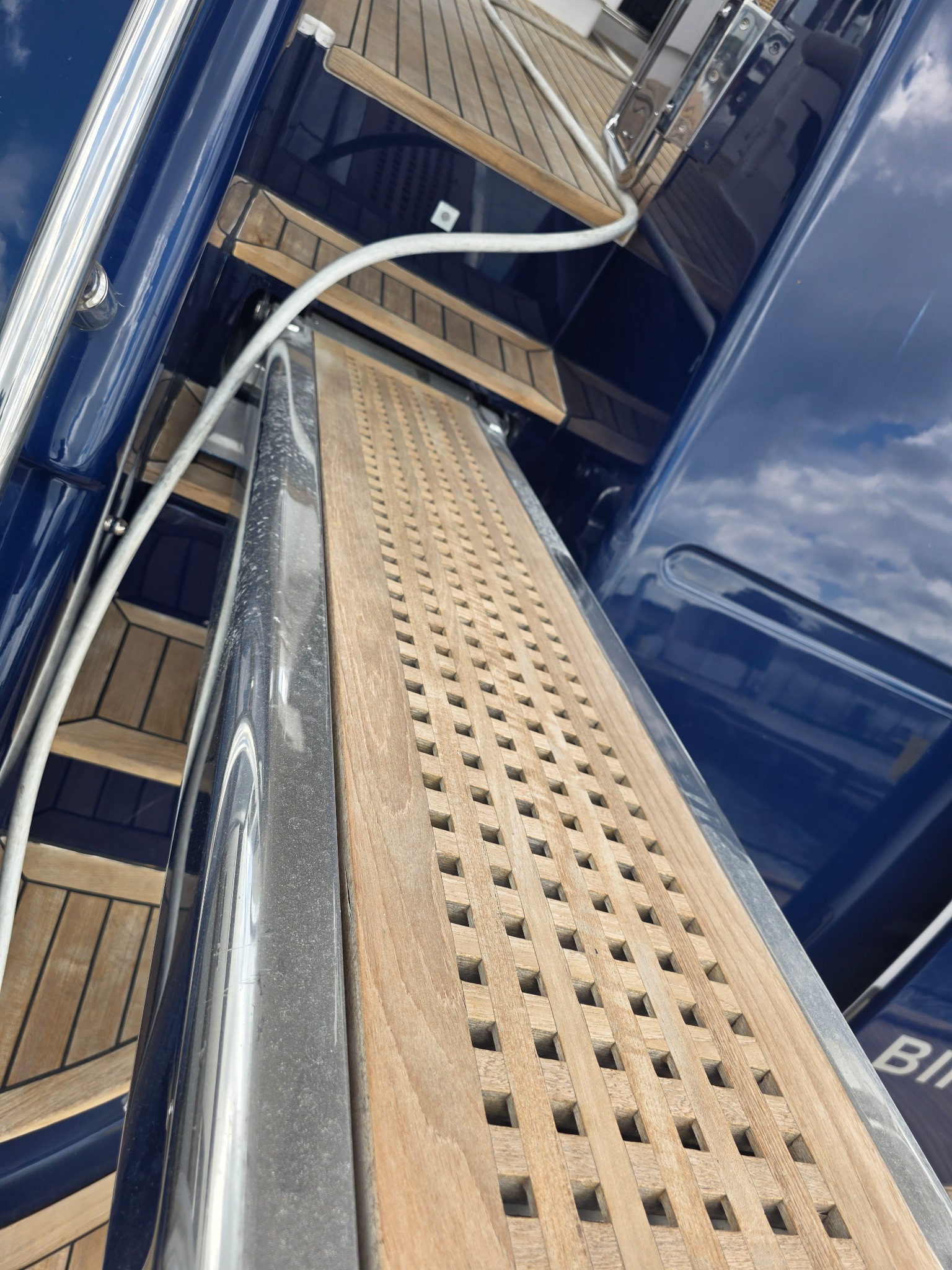
Lights, entertainment, and everyday onboard systems
A thorough operational review may include cabin and navigation lights, switches, speakers, stereos, televisions, doors, opening windows, hatches, and installed controls. In guest and crew accommodations, the surveyor may test plumbing fixtures, refrigeration, ice makers, wine chillers, galley equipment, and washer/dryer operation. A system that powers on is not necessarily proven reliable under all conditions; the report should describe what was actually tested.
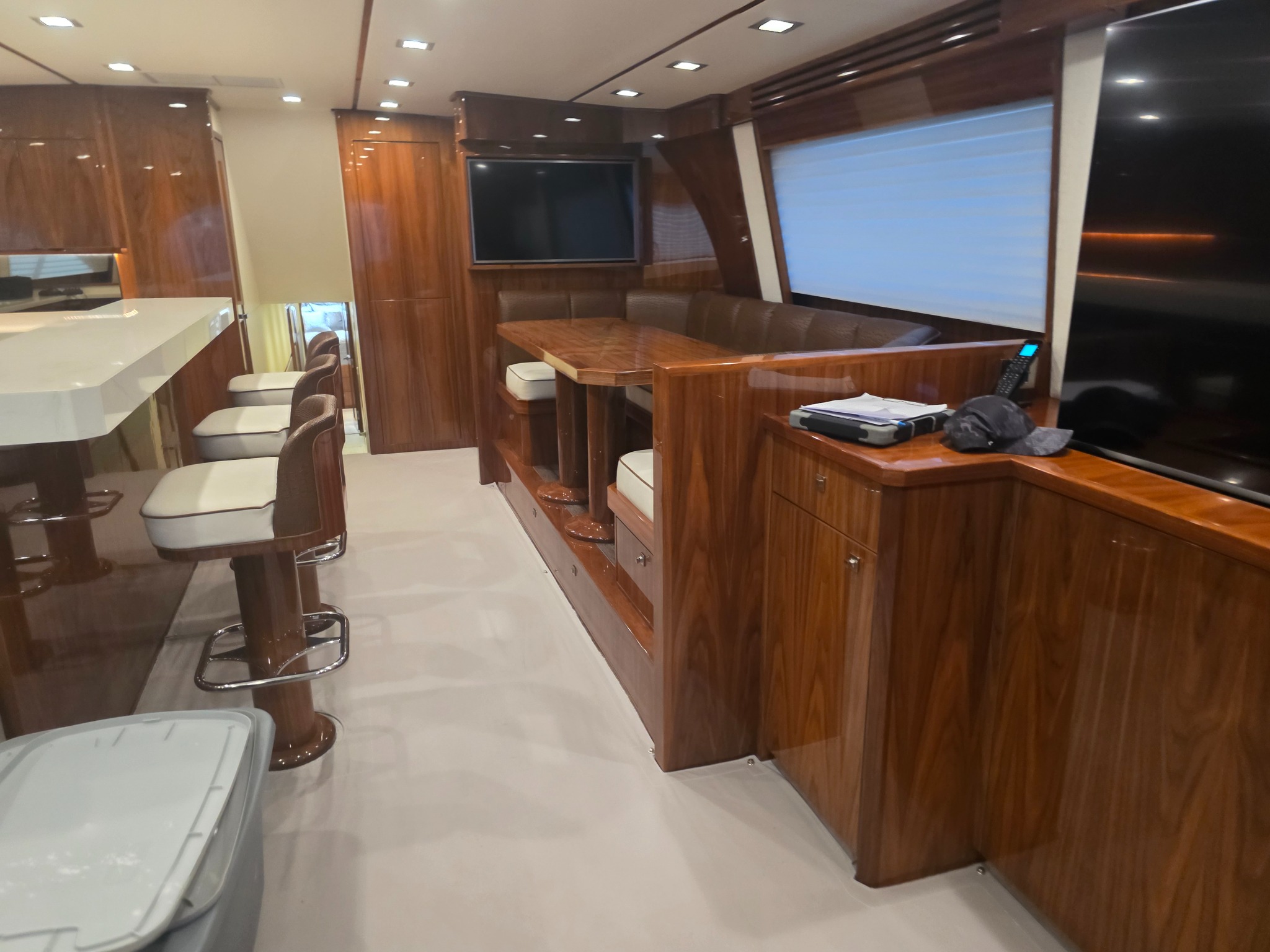
Machinery, plumbing, and bilge systems
Accessible engines and generators, hoses, clamps, pumps, tanks, wiring, batteries, and hydraulic components are reviewed for visible condition and indications of leaks or unsafe arrangements. Bilge pumps, float switches, and high-water alarms deserve particular attention. Standing water, oil sheen, fuel odor, corrosion, or unusual cycling can be clues that further evaluation is needed.
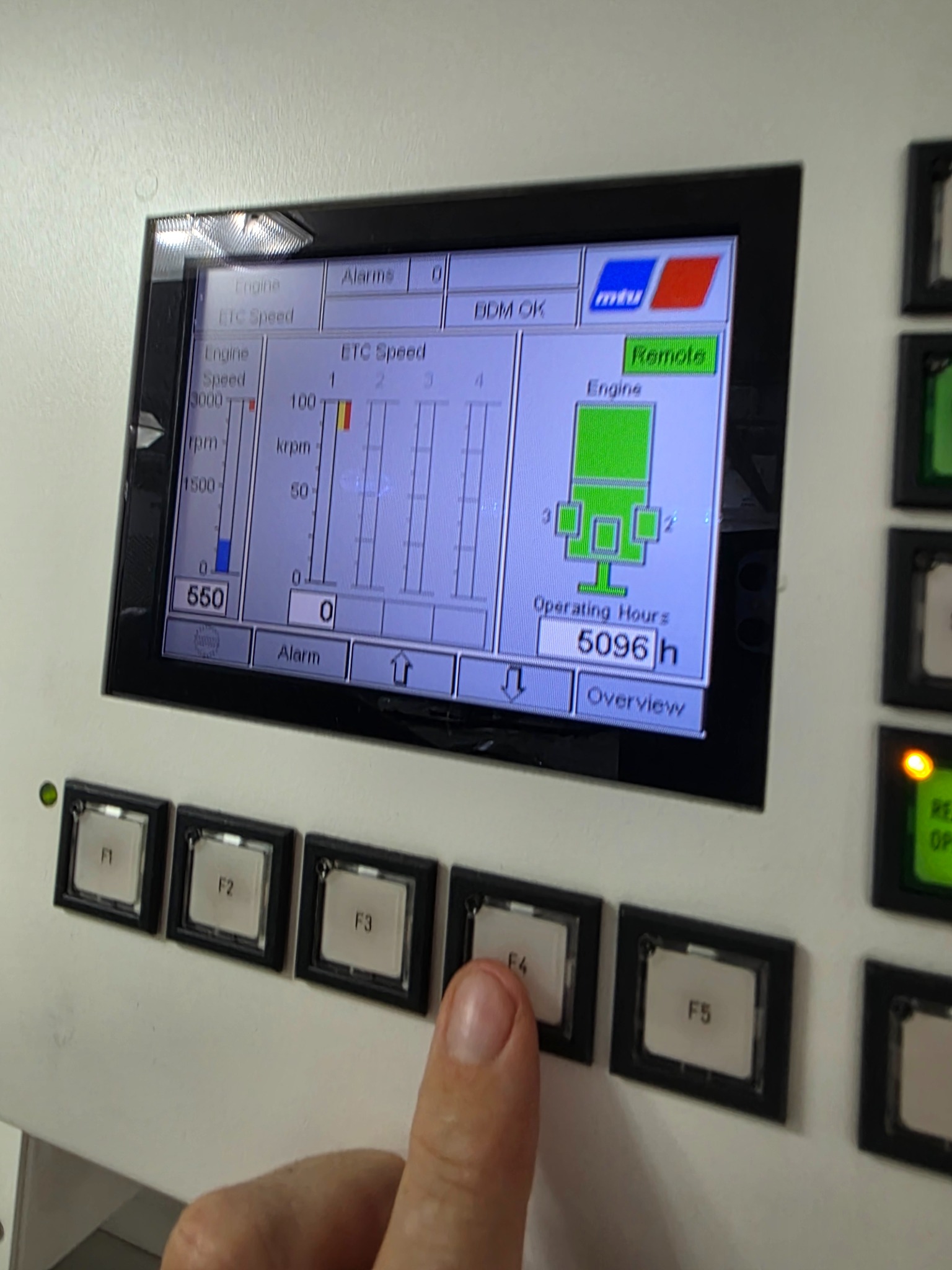
Electrical safety and shore-power connections
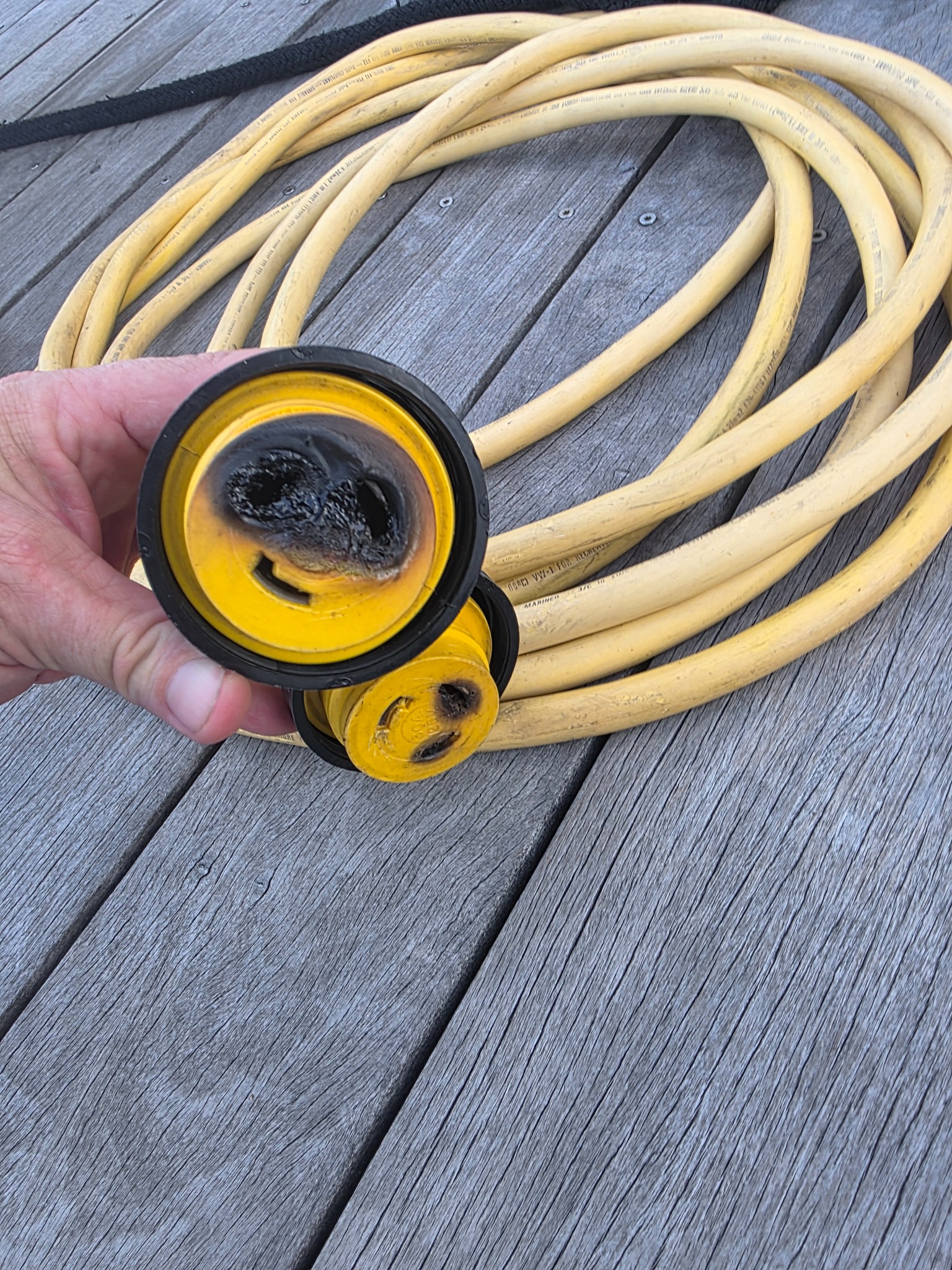
Shore-power cables, plugs, receptacles, and accessible electrical installations are examined for visible damage, overheating, corrosion, and unsuitable connections. Heat-damaged connectors, such as those pictured, require attention by a qualified marine electrician. The condition of accessible wiring, protective devices, and distribution equipment is considered within the agreed survey scope.
A report you can act on
The final report should identify significant deficiencies, explain observations and limitations, and provide clear recommendations. Some findings affect safety or seaworthiness; others relate to maintenance or appearance. A buyer should discuss material findings with the surveyor and qualified repair professionals before making decisions.
Haul-out and sea trial
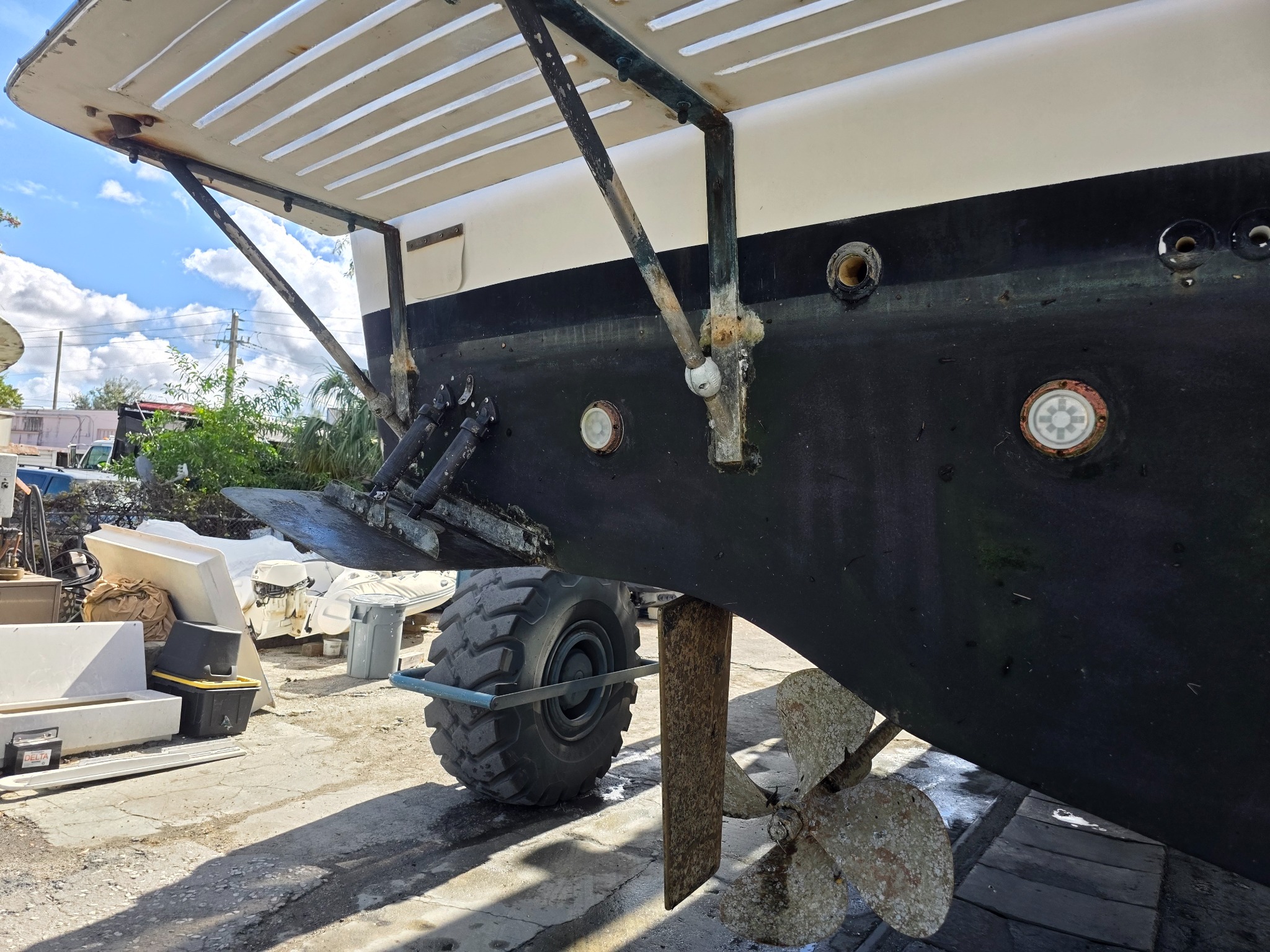
A haul-out exposes the bottom, through-hulls, propellers, shafts, rudders, thrusters, and stabilizers for examination. A sea trial, when included and conditions permit, provides an opportunity to observe steering, vibration, temperatures, alarms, equipment operation, and leaks under way. Dedicated engine diagnostics, oil analysis, or other specialist work may be recommended separately.
Why a sea trial matters
Real footage recorded during a sea trial illustrates how operating a vessel underway can reveal a leak that deserves further investigation. The source and significance of any leak must be assessed on the vessel.
Actual marine surveying field footage · Sea-trial observation
Inspection scope and testing depend on the vessel, access, operating conditions, safety, and the agreed survey services. Observations described here are educational and do not replace an inspection of a specific vessel.