
Professional marine surveying is about understanding the vessel as a whole—from structural condition and machinery to the systems people rely on every day. Here is what owners, buyers, and marine professionals should know.
Why operation matters
Some problems are not apparent while a yacht sits quietly at the dock. A sea trial, when included in the survey and safely conducted, allows observations under operating conditions. Its value depends on weather, sea state, vessel loading, available time, and the systems the crew can safely operate.
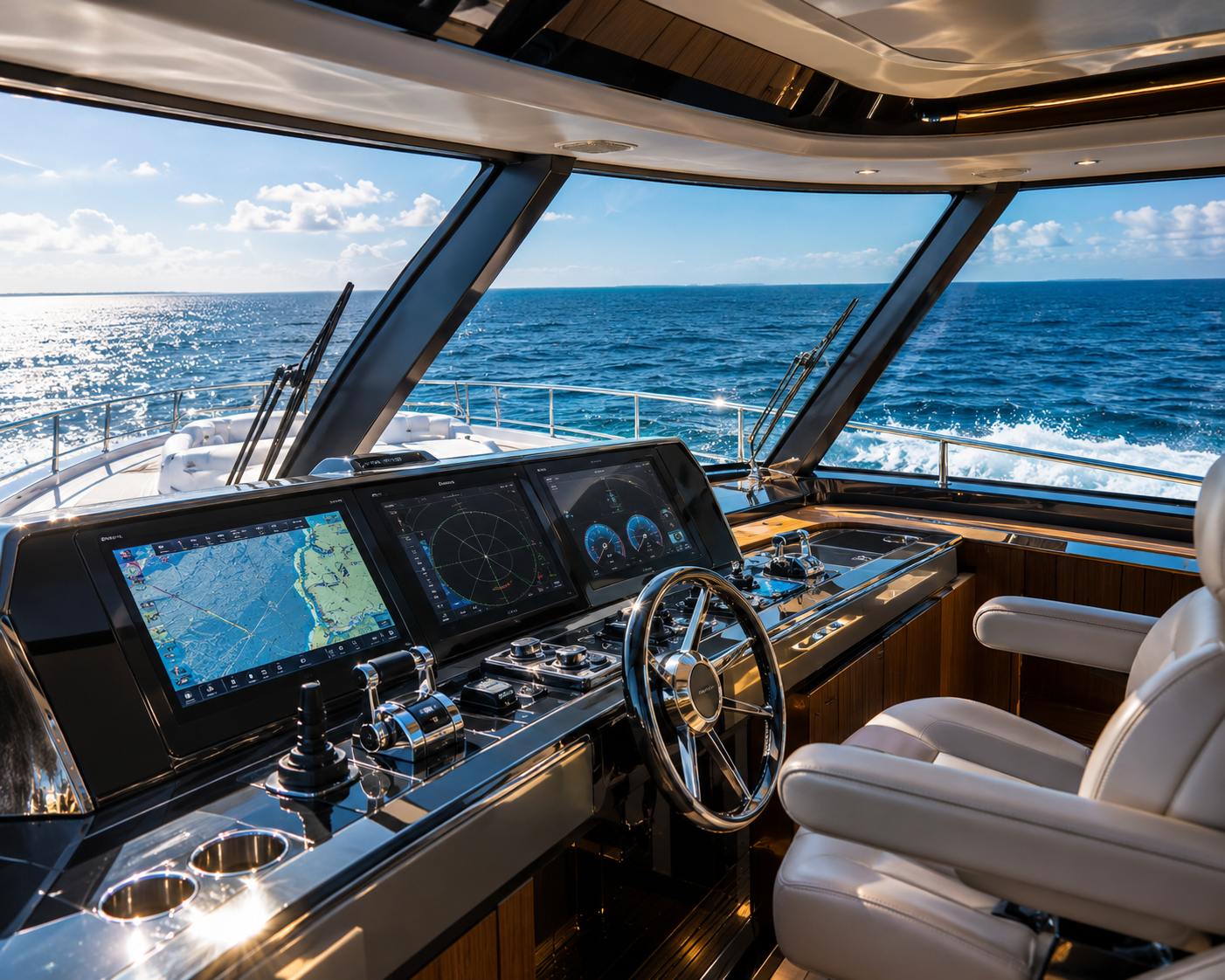
Steering, handling, and vibration
The surveyor observes steering response, unusual noises, vibrations, visible shaft-seal behavior where accessible, and how the vessel handles during reasonable maneuvers. Unusual vibration may have several causes—from propeller condition to alignment or machinery—and cannot always be diagnosed during a short trial.
Engines, temperatures, and alarms
Available instruments and displays can be monitored for operating temperatures, oil pressure, charging performance, alarms, and other parameters. Where appropriate, the surveyor observes response at different operating speeds. A marine survey is not a substitute for a dedicated engine inspection, manufacturer diagnostics, or performance testing.
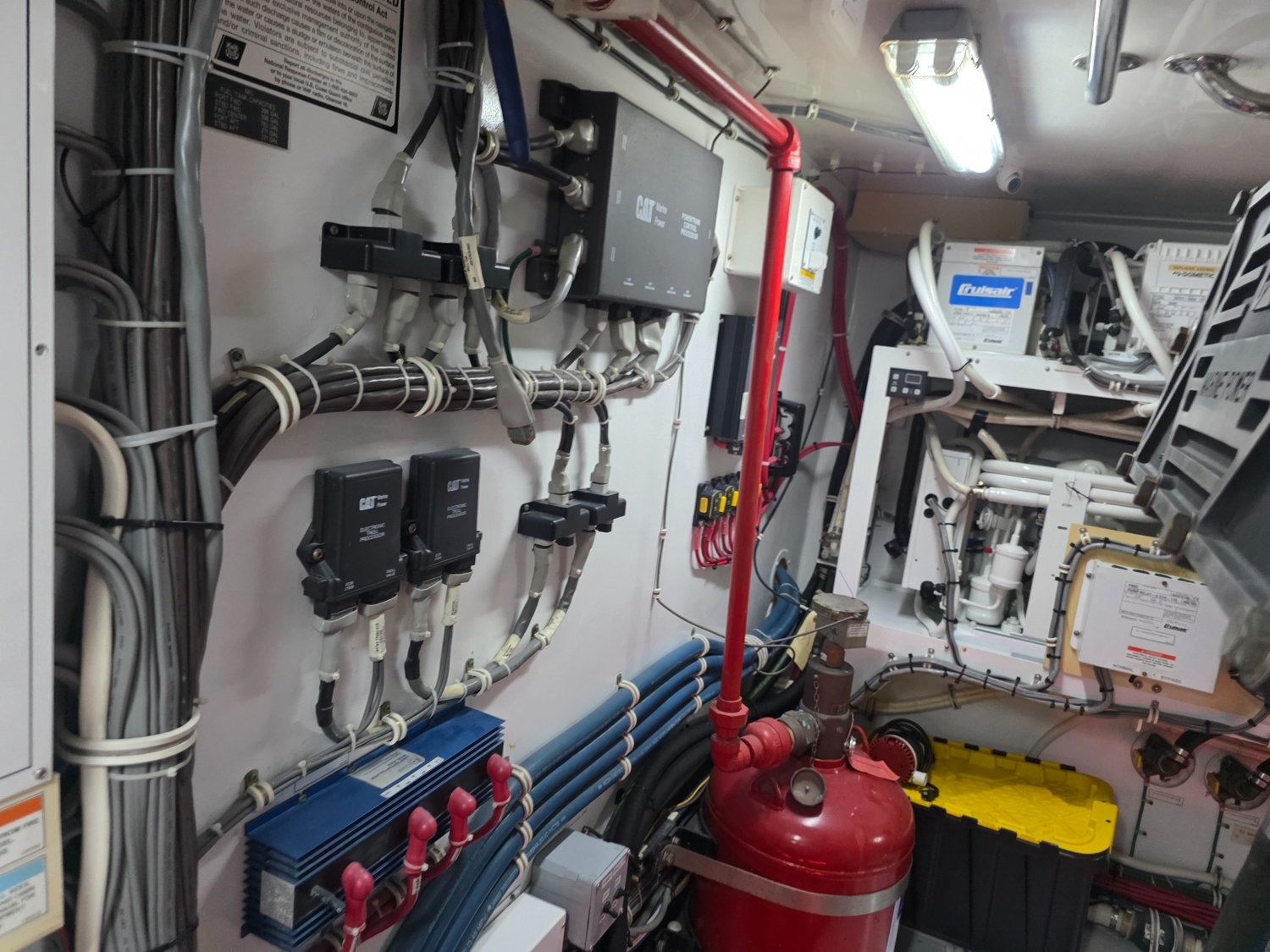
Leaks that reveal themselves underway
Motion, spray, pressure, vibration, and changing loads can expose water intrusion or machinery leaks that were not evident at the dock. Surveyors may observe water entering around windows, hatches, deck fittings, shaft seals, plumbing, or other accessible areas. A video of an observed leak is useful documentation, but its cause should not be assumed without investigation.
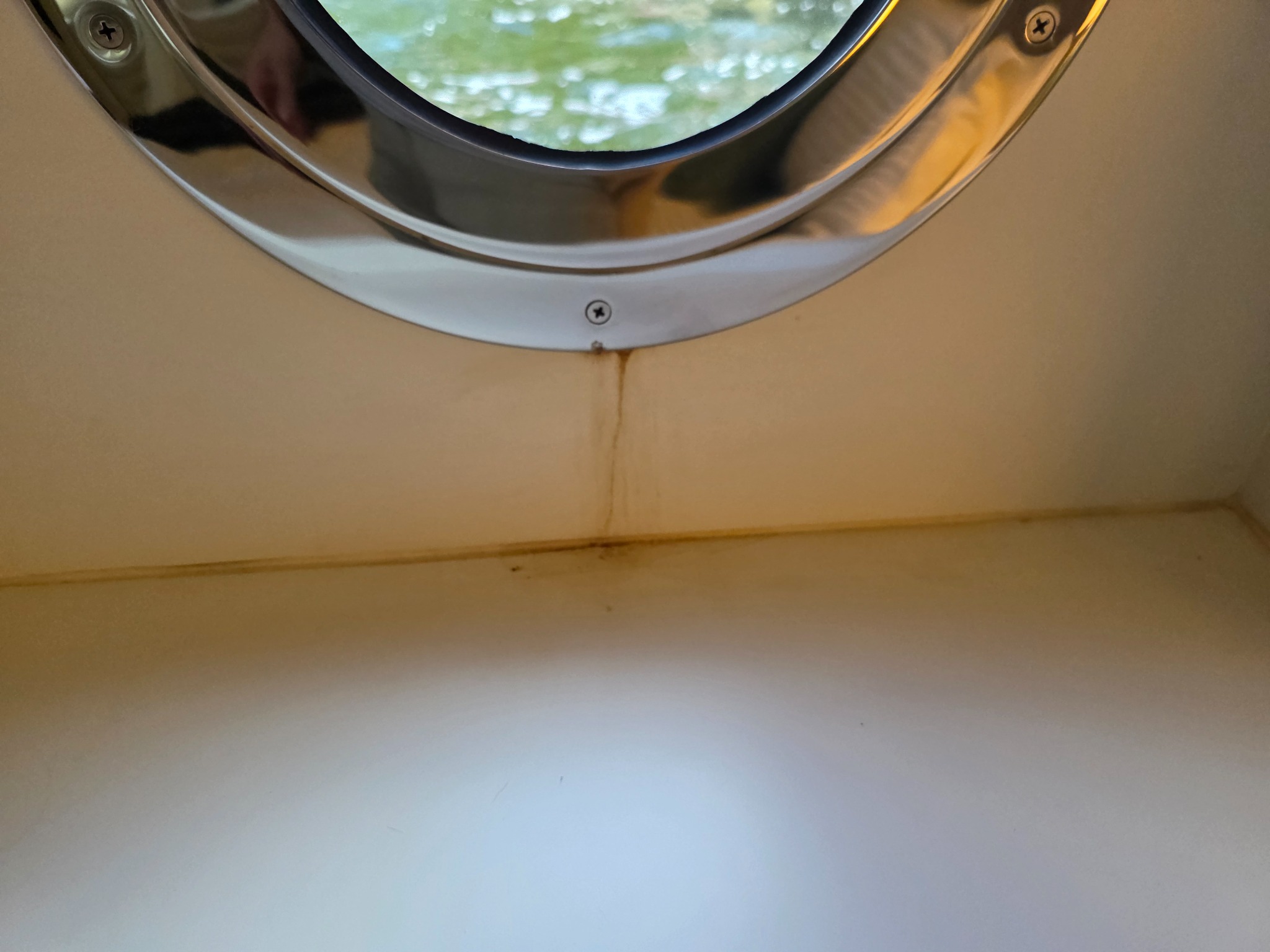
Electronics and operational systems
Where safe and within scope, the surveyor may check navigation displays, communications, controls, trim tabs, stabilizers, thrusters, and other operational equipment. A functioning screen does not prove that every sensor, transducer, or function has been independently verified.
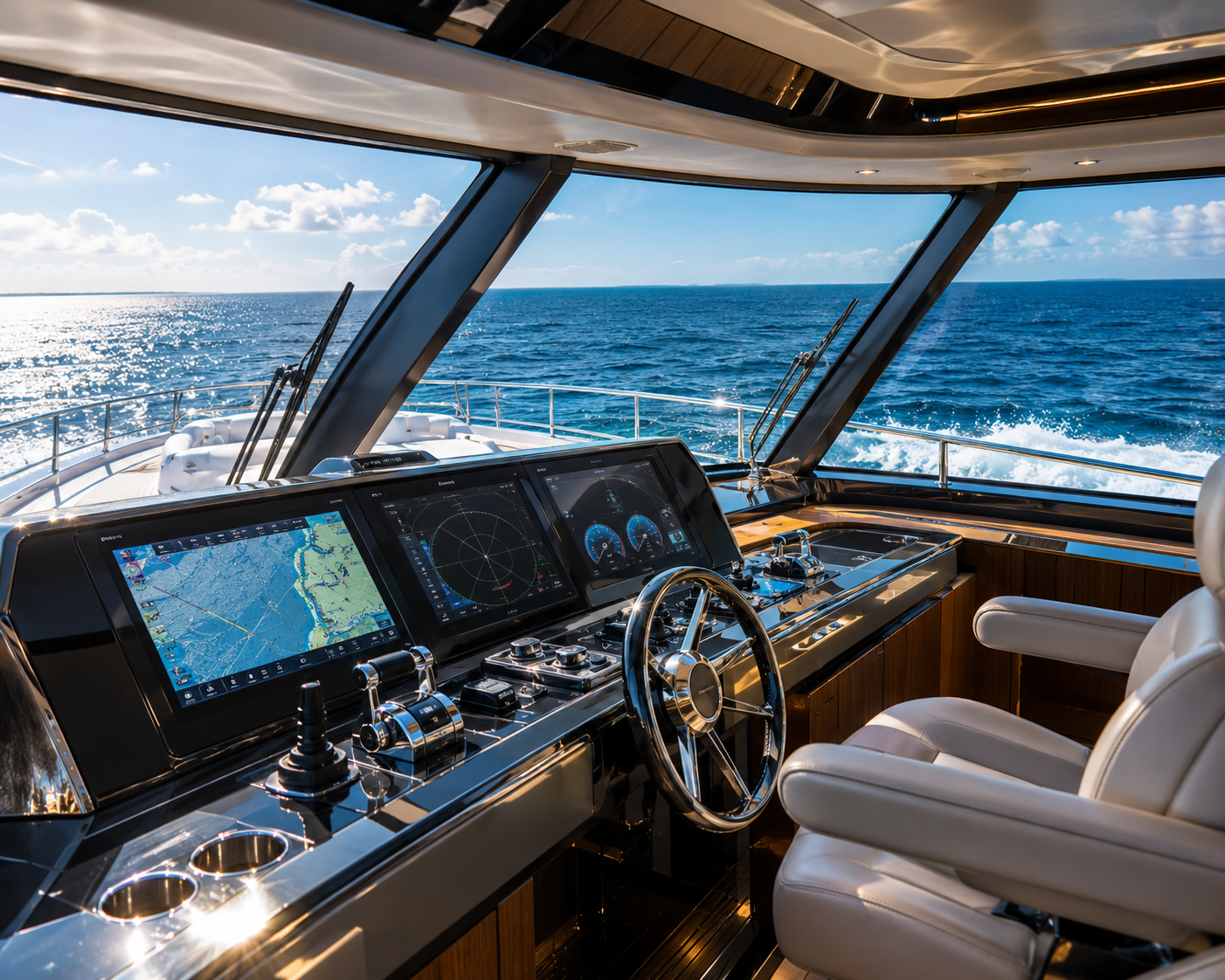
What a sea trial cannot prove
A successful run does not guarantee future reliability. Conditions may prevent full testing, and concealed defects may remain undetected. A strong report records what was observed, what could not be tested, and when follow-up by a qualified specialist is prudent.
Inspection scope and testing depend on the vessel, access, operating conditions, safety, and the agreed survey services. Observations described here are educational and do not replace an inspection of a specific vessel.